

Cardiothoracic Imaging Fellowship Program
Program Duration: 12 months
Accredited: No
Number of Positions: 2
The Cardiothoracic Imaging Fellowship offers an advanced training program focused on the interpretation and diagnosis of diseases affecting the thorax and cardiovascular system.
Program Highlights

- Advanced cardiothoracic imaging: high‑level training in cardiac and thoracic CT/MRI, including coronary CTA, cardiac function assessment and complex pulmonary imaging
- High‑volume, diverse pathology: extensive experience with congenital heart disease, cardiomyopathies, pulmonary vascular disorders, oncology and transplant imaging in a tertiary‑care environment
- Subspecialty mentorship and collaboration: close faculty guidance with active participation in multidisciplinary cardiology, pulmonology and cardiothoracic surgery conferences
Faculty
Kavitha Yaddanapudi, MD
Clinical Specialties
Tushar Acharya, MD, MPH
Veronica Arteaga, MD
Clinical Specialties
Ralph Drosten, MD
Clinical Specialties
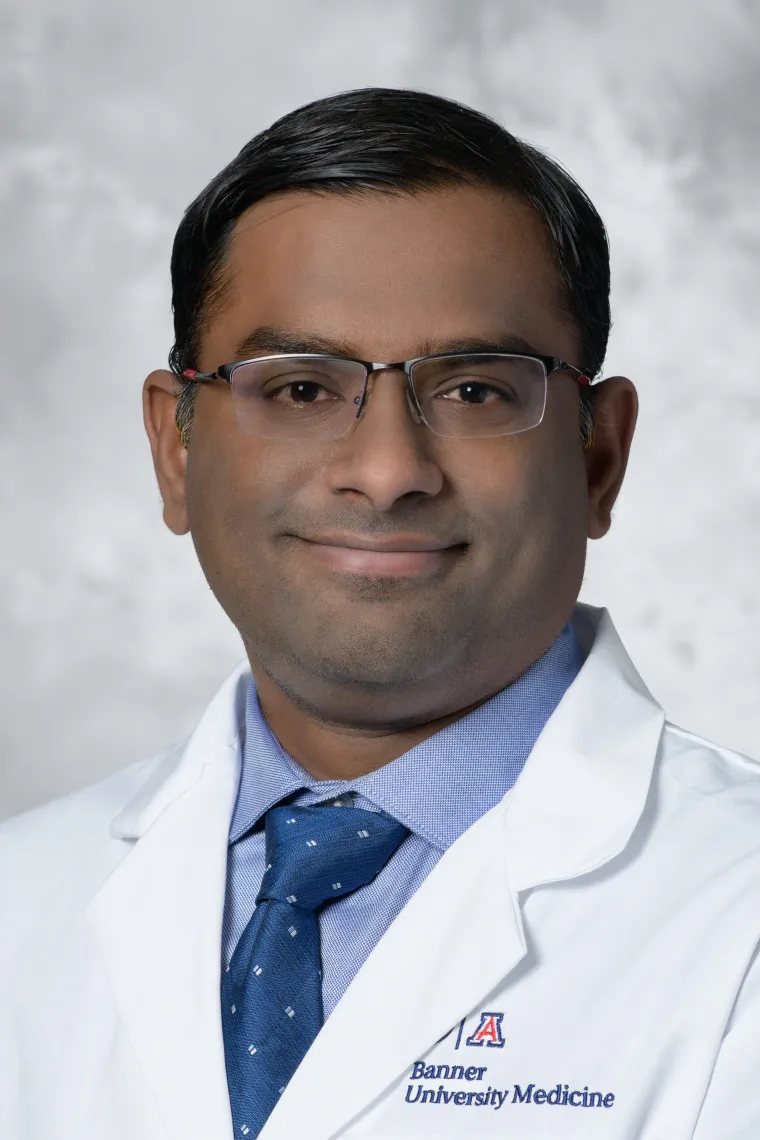
Harish Gudi, MD
Clinical Specialties
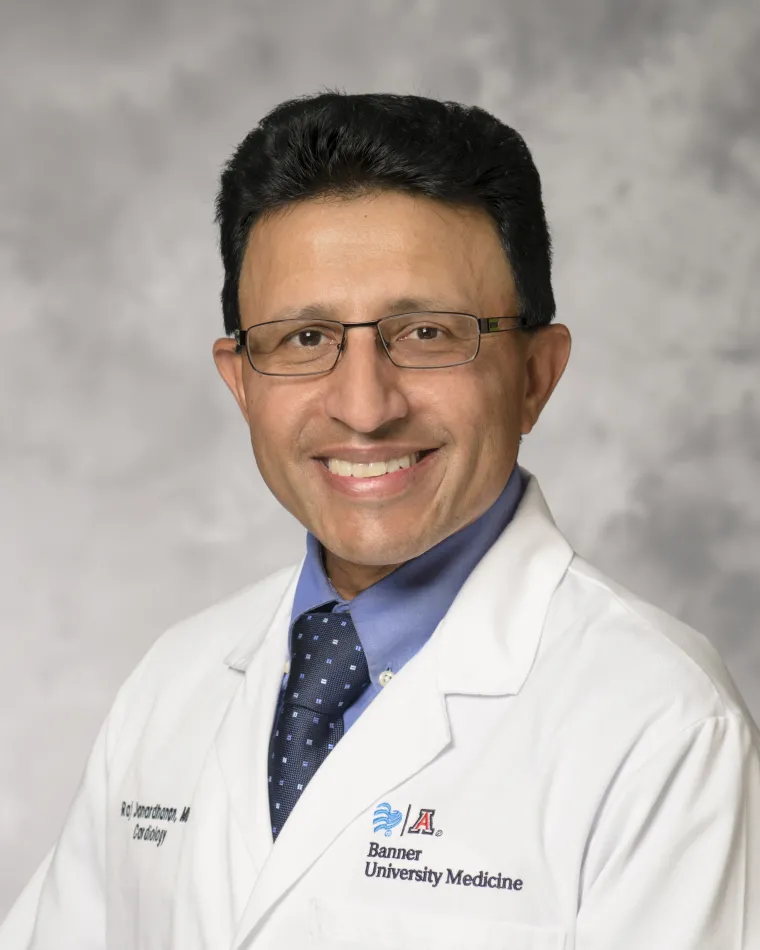
Rajesh Janardhanan, MD, MRCP, FACC, FASE
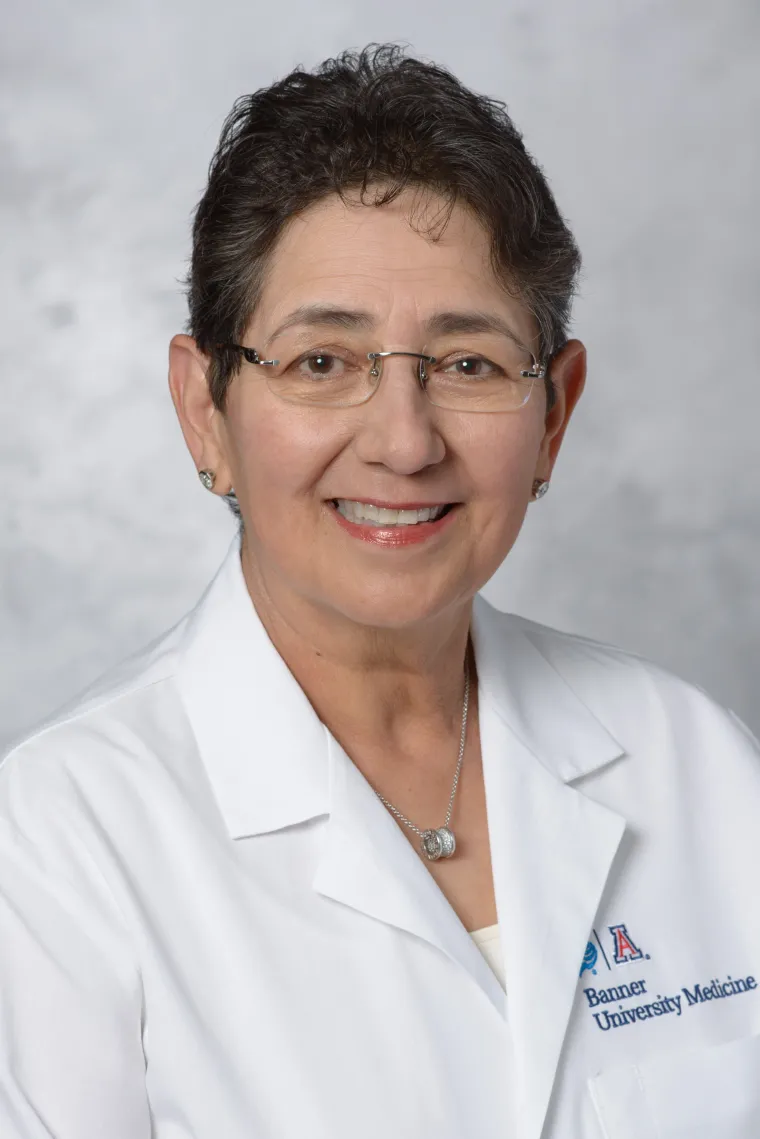
Melissa Rosado de Christenson, MD, FACR, FAAWR

Geoffrey Rubin, MD, MBA, FACR, FAAR, FAHA, FSABI, FNASCI
Clinical Specialties

Amitoj Singh, MD
Program Overview
Imaging Modalities
Trainees will be exposed to a wide variety of pathology and gain familiarity with both cardiac and thoracic diseases encountered in clinical practice. This will include training in:
- Chest radiograph
- Thoracic CT/MRI
- CT/MRI angiography
- Cardiac CT/MRI and coronary imaging
Opportunities in nuclear cardiac imaging and body MRI are also built into the fellowship. Exposure to 3D reconstruction methods and interpretation will be included.
Consultative Skills
Fellows will learn to be expert consultants and leaders in thoracic and cardiac imaging, also participating in teaching and multidisciplinary conferences.
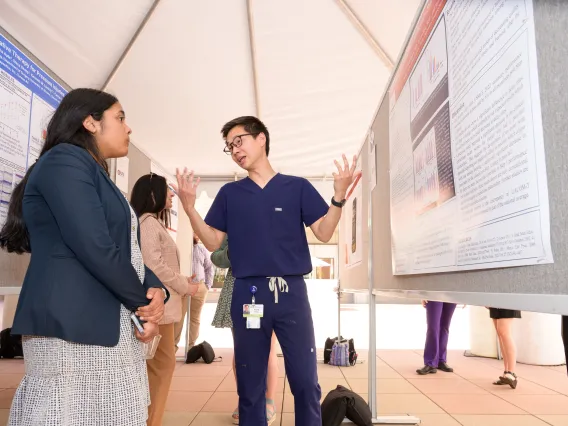
Opportunities for scholarly activity mentored by the faculty will be available during training. Fellows will be encouraged to participate in original research projects, author publications and present at meetings. Additionally, when presentations are accepted at national meetings, departmental funding is often available to support travel and related expenses.
Fellows and residents have access to a wide range of resources, including countless full-text journals, through the University of Arizona Health Sciences Library. This comprehensive resource also provides comfortable spaces for small group collaborations and quiet studying in a collegial atmosphere.
The program also incorporates evidence-based medicine tools including:
- EBM search, a search engine that provides access to evidence-based medicine
- Cochrane Library
- ACP PIER
- BMJ Clinical Evidence
- Clinical Practice Guidelines
- STATRef, the premier healthcare e-resource
How To Apply
Candidates must be eligible to obtain an Arizona medical license prior to the start of the program. To be eligible for acceptance, applicants must possess an MD or DO degree and have satisfactorily completed a diagnostic radiology residency training program accredited by the ACGME or the Royal College of Physicians and Surgeons of Canada (RCPSC). For applicants who originate from a non-ACGME-accredited residency, please note the following requirements and items that will need to accompany your application, as outlined by the ACGME under Section III.
Application Requirements
- Application (download above)
- Curriculum vitae formatted to include month/year for all educational and employment periods; please address any gaps in time
- Personal statement
- Medical school transcripts
- Medical Student Performance Evaluation (MSPE)
- Three current letters of recommendation (LOR), dated no more than 12 months prior to the application date. Each letter should be on official letterhead and signed by the reference giver.
- Pass the United States Medical Licensing Examination (USMLE) Step 1, Step 2 and Step 3
- ECFMG certificate (for IMG)
Candidates should email the required documents to:
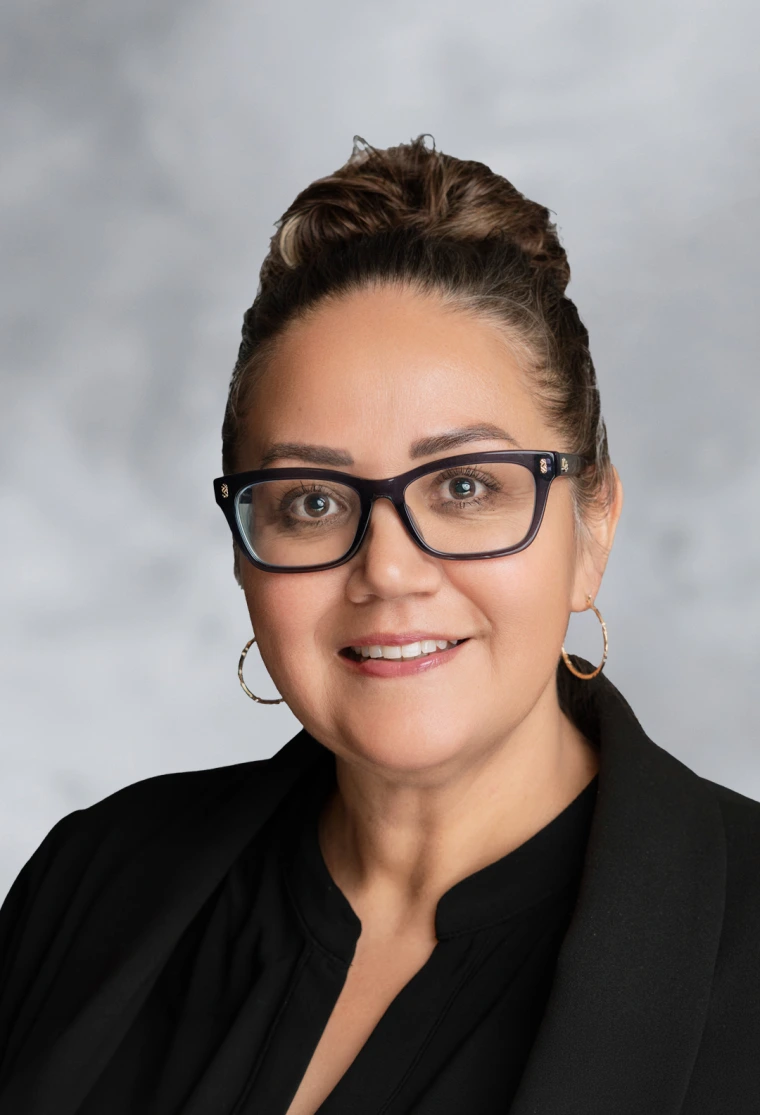
Ina Rios, MBA, C-TAGME
Training in Tucson




Learn more about the residency and fellowship programs at the College of Medicine – Tucson.
Ina Rios, MBA, C-TAGME
Program Coordinator, Senior
520-626-1640
imrios@arizona.edu