

Advanced Musculoskeletal Imaging Fellowship
Program Duration: 12 months
Accredited: No
Number of Positions: 2

Our Advanced Musculoskeletal (MSK) Imaging Fellowship provides a comprehensive and specialized training experience in the latest diagnostic imaging techniques and treatments. Fellows will gain experience covering both routine and complex musculoskeletal disorders, including athletic injuries and performance-related pathologies.
Program Highlights
- High‑level MSK MRI and CT expertise: advanced training in complex sports medicine, oncology, rheumatologic and trauma‑related musculoskeletal imaging
- Comprehensive procedural experience: expert instruction in musculoskeletal ultrasonography, ultrasound‑guided interventions and image‑guided diagnostic techniques
- Multidisciplinary collaboration: close partnerships with orthopedic surgery, podiatry, rheumatology and oncology to support integrated, high‑quality patient care
- Level I trauma training: immersive experience interpreting complex acute musculoskeletal injuries in a high‑acuity trauma environment
Team

Faculty

Tyson Chadaz, MD
Clinical Specialties
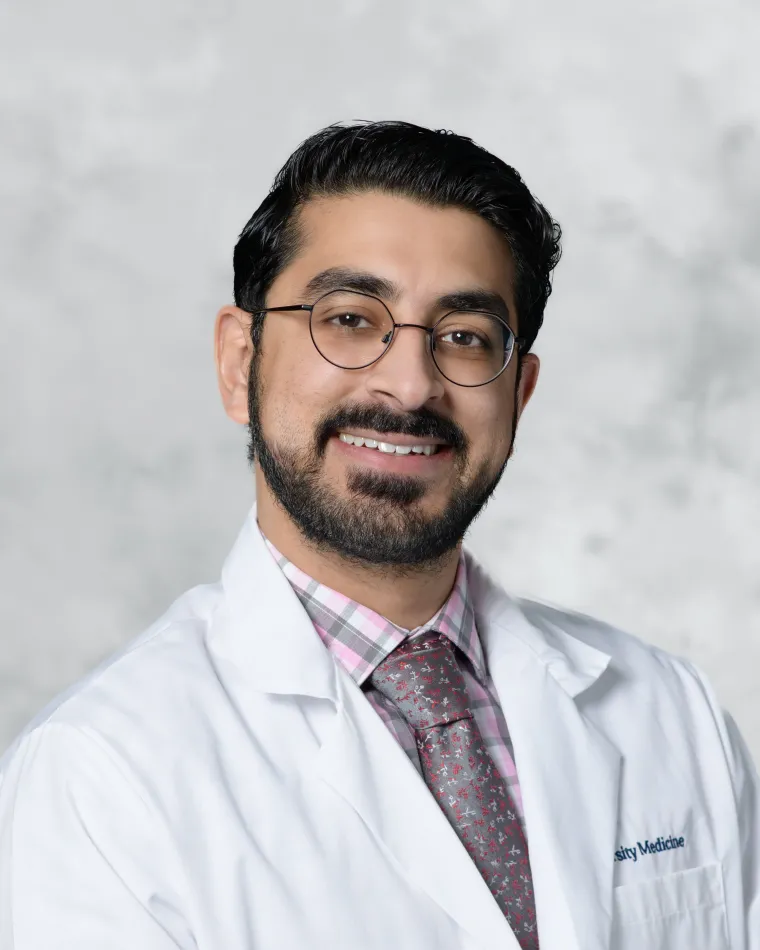
Jawad Hussain, MD
Clinical Specialties

J’Rick Lu, DO

Alexander Lubinski, MD
Clinical Specialties

Shahin Amanat, MD
Program Overview
Fellows will receive in-depth training in assessing a wide variety of musculoskeletal-related conditions using the below imaging modalities:
- MRI (Magnetic Resonance Imaging): In-depth training in musculoskeletal MRI, including joint, soft tissue, bone and cartilage imaging
- CT (Computed Tomography): Advanced applications of CT for assessing bony structures, fractures and complex anatomy
- Ultrasound: Expertise in musculoskeletal ultrasound for both diagnostic imaging and image-guided procedures (e.g., injections, aspirations)
Fellows will learn to address conditions in areas of the extremities, joints, pelvis, mandible and musculature system, and conditions such as TMJ, sacroiliac joint dysfunction and inflammatory disease.
Fellows will perform fluoro/ultrasound-guided procedures such as MR and CT arthrograms. Other procedures include diagnostic joint/bursa/tenosynovial sheath aspirations for infection/inflammatory etiologies as well as therapeutic joint/bursa/tenosynovial sheath injections used for pain relief and as a bridge to joint replacement.
Training in radiofrequency tumor ablations is available with the opportunity to spend a minimum of two weeks on a dedicated biopsy service. Additionally, our fellows participate in a range of procedures, including epidural injections, facet and sacroiliac joint blocks, nerve root blocks, vertebroplasty/kyphoplasty, discography and more, in conjunction with the divisions of Interventional Radiology and Neuroradiology.
Fellows involved with the Division of Musculoskeletal Radiology are a valuable part of the team. We work together to support the University of Arizona Athletic Association. Working closely with the Department of Orthopaedic Surgery, our team reads all professional and U of A studies they cover. We also collaborate with Banner – University Medicine Tucson orthopedic surgeons and outside orthopedic surgeons, as well as University of Arizona sports medicine doctors.
There are outstanding research opportunities involving an on-site research MRI. Fellows are also exposed a large number of interdisciplinary conferences.
How To Apply
Candidates must be eligible to obtain an Arizona medical license prior to the start of the program. To be eligible for acceptance, applicants must possess an MD or DO degree and have satisfactorily completed a diagnostic radiology residency training program accredited by the ACGME or the Royal College of Physicians and Surgeons of Canada (RCPSC). For applicants who originate from a non-ACGME-accredited residency, please note the following requirements and items that will need to accompany your application, as outlined by the ACGME under Section III.
Application Requirements
- Fellowship application
- Curriculum vitae formatted to include month/year for all educational and employment periods; please address any gaps in time.
- Personal statement
- Medical school transcripts
- Medical Student Performance Evaluation (MSPE)
- Three current letters of recommendation (LOR), dated no more than 12 months prior to the application date. Each letter should be on official letterhead and signed by the reference giver.
- Pass the United States Medical Licensing Examination (USMLE) Step 1, Step 2, and Step 3
- ECFMG certificate (for IMG)
Candidates should email the required documents to:

Michele Dalmendray, C-TAGME
Training in Tucson

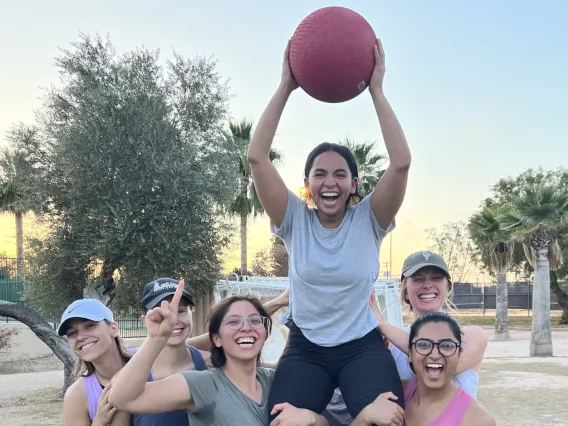
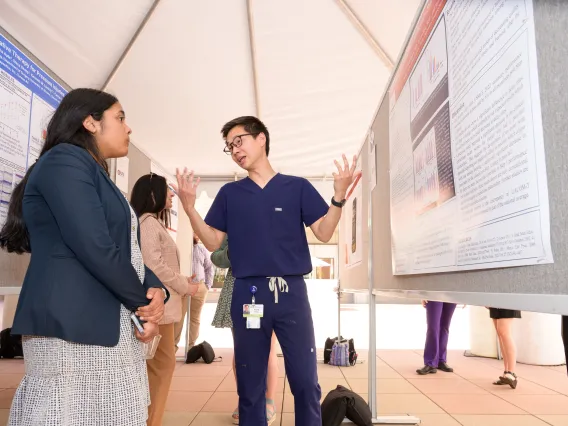


Learn more about the residency and fellowship programs at the College of Medicine – Tucson.
Michele Dalmendray, C-TAGME
Program Coordinator, Senior
520-626-2134
kmdalmendray@arizona.edu